This store requires javascript to be enabled for some features to work correctly.

  • ZL152

    Ki:kam Hu:n

    • ZL152
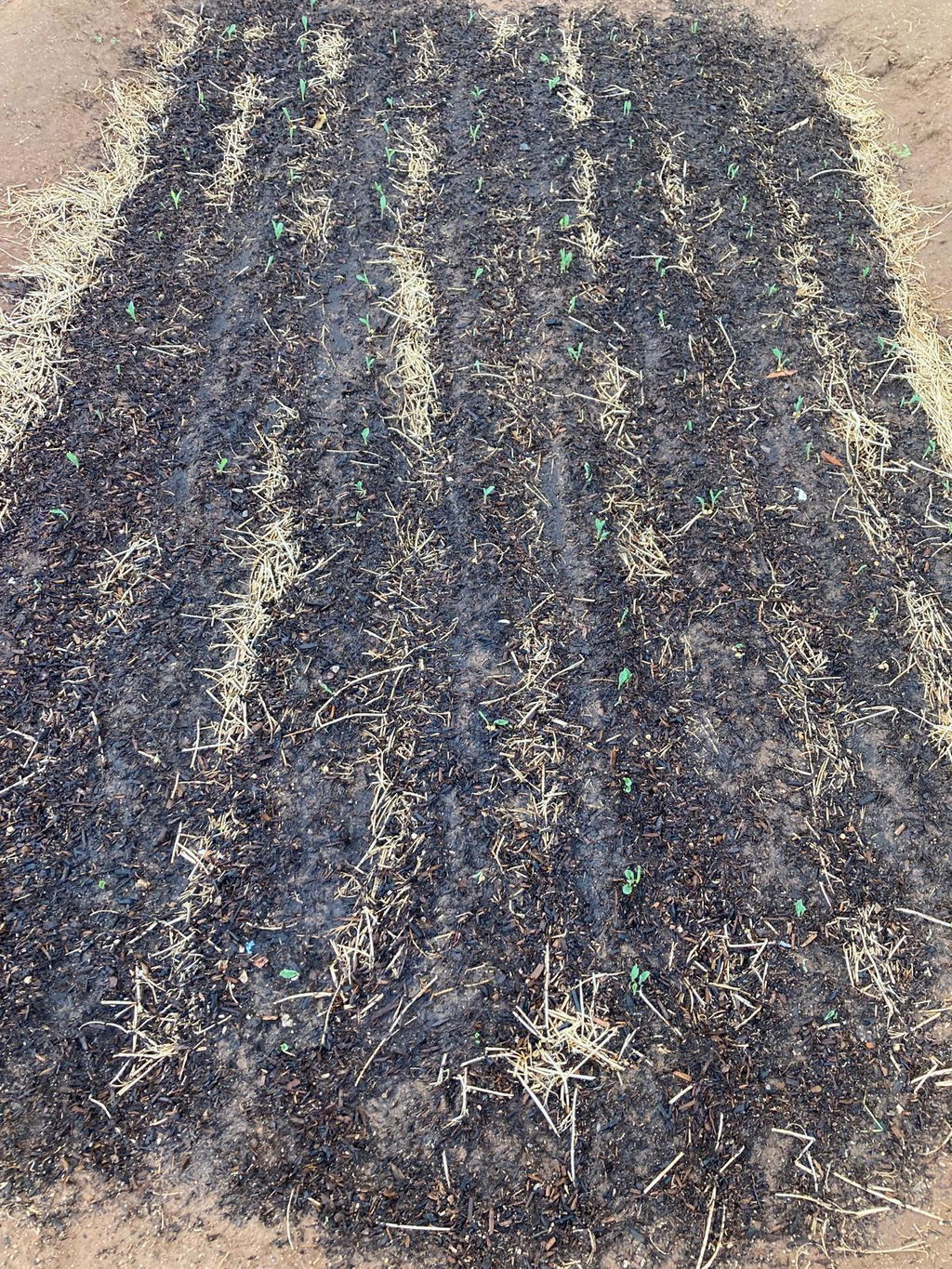
    • Zea mays. Pima 60-Day. This traditional white corn from the Akimel O'odham community is grown by Ramona Farms, a Native American farming operation at Sacaton, AZ on the Gila River Reservation. This short stature, fast growing corn is 60 days (or less!) from planting to milk stage when planted at the summer monsoons in our region. When planted in spring it produces larger ears but takes longer.

      This corn has about 80% soft flour kernels and 20% hard flint kernels. This balance gives the corn the perfect texture for Ga'ivsa, the wonderfully tasty Pima corn dish. Fresh corn is roasted on the cob over mesquite coals, which gives it a wonderfully sweet flavor. It is then dried and stored on the cob. When cracked and cooked the texture is like a risotto with terrific corn flavor. 

      • Includes flour and flint type kernels
      • Origin: low desert
      • Packet size 10g/approx. 50 seeds
      • Seed Saver Size includes an insert on corn pollination and seed saving.
      • Limit 3 packets.
      • $4.50
      Shipping calculated at checkout.
      Size

      Customer Reviews

      Based on 13 reviews
      85%
      (11)
      8%
      (1)
      0%
      (0)
      8%
      (1)
      0%
      (0)
      D
      Dave Christensen, Native Corn Breeder
      Genetic problems and contaminated with smut.

      The seed had great germination. It grew well in northern Montana, dryland with only a few inches of rain. It made good cobs! Some had flint kernels and some had soft starch kernels. Some variety of plant types. The plants were often 6' tall. They averaged 18" taller than Smoik Huun (Papago). I did not want them to be so tall. There were some strong stalks.

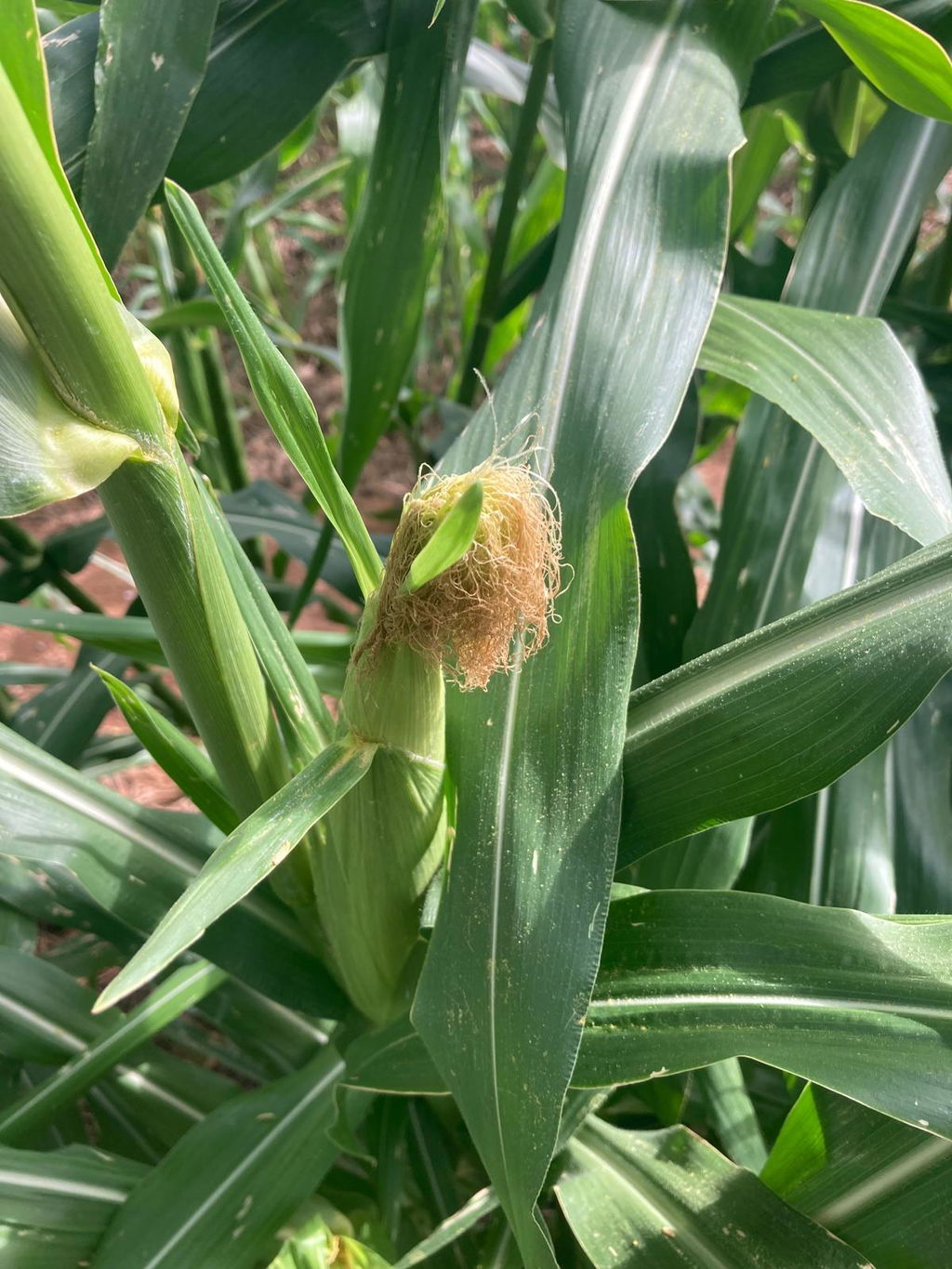
      65% of the cobs had a male spike (tassel) coming out of the end of the ear. This is bad because it makes a pathway for mold to enter the cob, which ruined some cobs. Over 1/3 of the plants had "wing cobs", one or more cobs growing out of the same junction. You can see an example of this in a photo that someone submitted. I consider this a defect because the multiple cobs rarely fill and are a waste of energy.

      There was great diversity of plant types, which is good. But many plants had huge, tall clusters of suckers (multiple stalks). This forest of growth took energy away from many of the cobs maturing. Sometimes the sucker cobs matured faster and fuller than cobs on the main stalk.

      There was one dwarf plant in the group, which I consider good, because shorter, stouter plants survive better in the desert.

      In my estimation the most recent growers of this line did not select against problems as the original Natives, who probably would have rejected the primitive flaws. Corn did not evolve out of it's ancestor as a weed, except that genius Native people selected for advancement. Corn will revert to primitive forms if not culled and selected. I would guess that this line has not been carefully genetically maintained, or else it went through an unfortunate genetic "bottleneck".

      To be fair, it may have gotten a little more moisture than it's ancestors. More water allows for types of over-growth that might not happen in the desert. But, we did grow it dryland, and there was very little rain.

      Do understand that this Pima corn has it's ancestry from the Gila River Reservation which has fair rainfall and has been historically irrigated. It is not from the Tohono, desert reservation on the Mexican border. (If you want the hardiest drought survivor try Smoik Huun, which is a wonderful composite of 9 dryland accessions.)

      The most terrible problem is that this, and the Smoik Huun seed from NS/S, both had SMUT spores (fungus) and now they have spread to our huge farm. We had never seen smut before. The growths burst and spread spores far and wide in the winds. Now we will have to fight with rotten cobs the rest of our lives. I recommend that you soak your seeds in rubbing alcohol for a few minutes before planting, or it might destroy your farm. NS/S should have warned us that their seed was exposed to smut and that it was our job to sterilize it.

      I am very grateful to NS/S for preserving and sharing these near-extinct genetics. I have used some of their genetics in creating stress hardy lines of nutritious corn which are feeding people suffering from climate change, and saving lives around the world!

      A
      Anonymous
      60 Days!

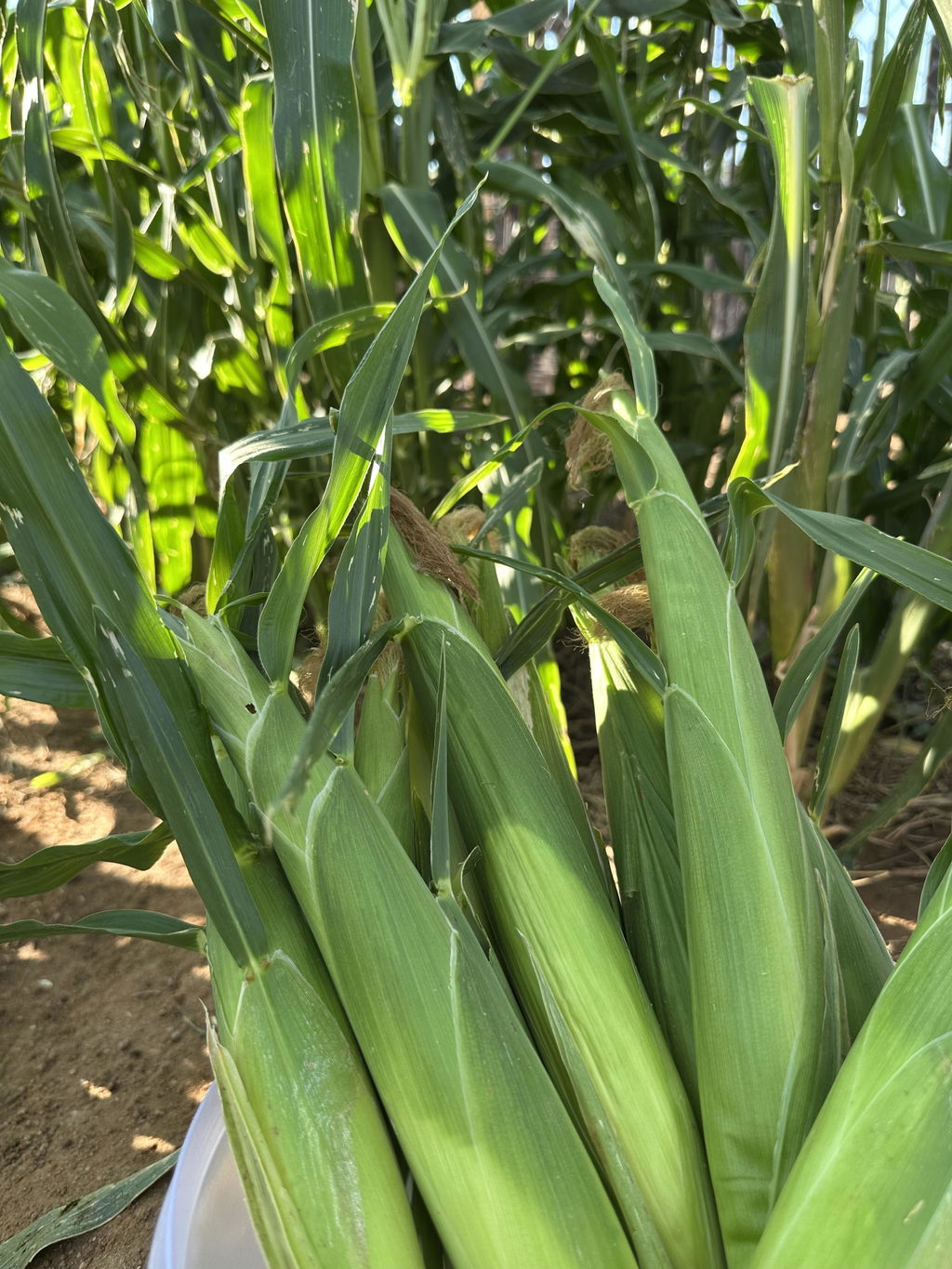
      Full of great surprises! Planted first week of July 2025 about 8in apart from each other (about 150 plants first succession). Great results and ended up having many plants with two cobs. Excellent for coctel de elote and grilled! Will be ready in 60 days!

      S
      SAMUEL ENRIQUE REYES SANCHEZ
      Impressive corn!

      It was planted on June 1st and is just tasseling now. It's amazing how tough it is! We're in the high desert in Albuquerque, and it seems to love it! (I planted some corn from Walmart, and it died because I wasn't watering it enough.)

      During the day, it "curls up," I guess, to protect itself from the sun and slow down evaporation. I only water it if it's still curly the next morning (about every two days on 100+ degree days, every five to six on 80+ degree days). Another surprise is how short it is. There are four-foot plants tasseling with a one-inch diameter producing ears! Hopefully, I can tell you how much it yields when the corn is ready.

      S
      Sandra Nequatewa Hobbs
      PNW climate

      I still have snow in the forecast. I am really curious how this plant will grow. Our summer is hot and dry. Elevation is 2800ft. I will let you know.

      L
      Luis Al Sanchez
      Enjoyed a show using the corn , looked dwlicious

      4*****